Confined space rescue starts well before an emergency. Before work begins, teams need to understand the hazards of the space, how a worker would be removed, what equipment would be required, and who will respond if something goes wrong. Once work is underway, they also need to know when conditions change or an entrant needs help.
That can become more difficult during a turnaround or outage when multiple confined space entries are active at the same time. A strong rescue plan prepares the team to respond. Better visibility can help them understand when they need to respond and what they may be dealing with when they do.
Confined Space Rescue Requires Planning for the Actual Space
There is no single rescue plan that works for every confined space. A vessel, tank, boiler, or pit can present different access points, internal configurations, and atmospheric hazards. Those differences affect how a rescue team prepares and how an entrant could be removed in an emergency.
OSHA’s construction standard for confined spaces requires employers that designate rescue services to evaluate whether those services can respond in a timely manner based on the hazards involved. Employers also have to consider whether the rescue service has the equipment and proficiency needed for the permit spaces involved.
The standard also requires selected rescue services to have access to permit spaces so they can develop appropriate rescue plans and practice rescue operations. Having emergency services nearby is not the same thing as having a confined space rescue plan.
Preparation should address the actual space, the hazards associated with the work, the extraction method, rescue equipment, and the people responsible for responding.
Conditions Can Change After Entry Begins
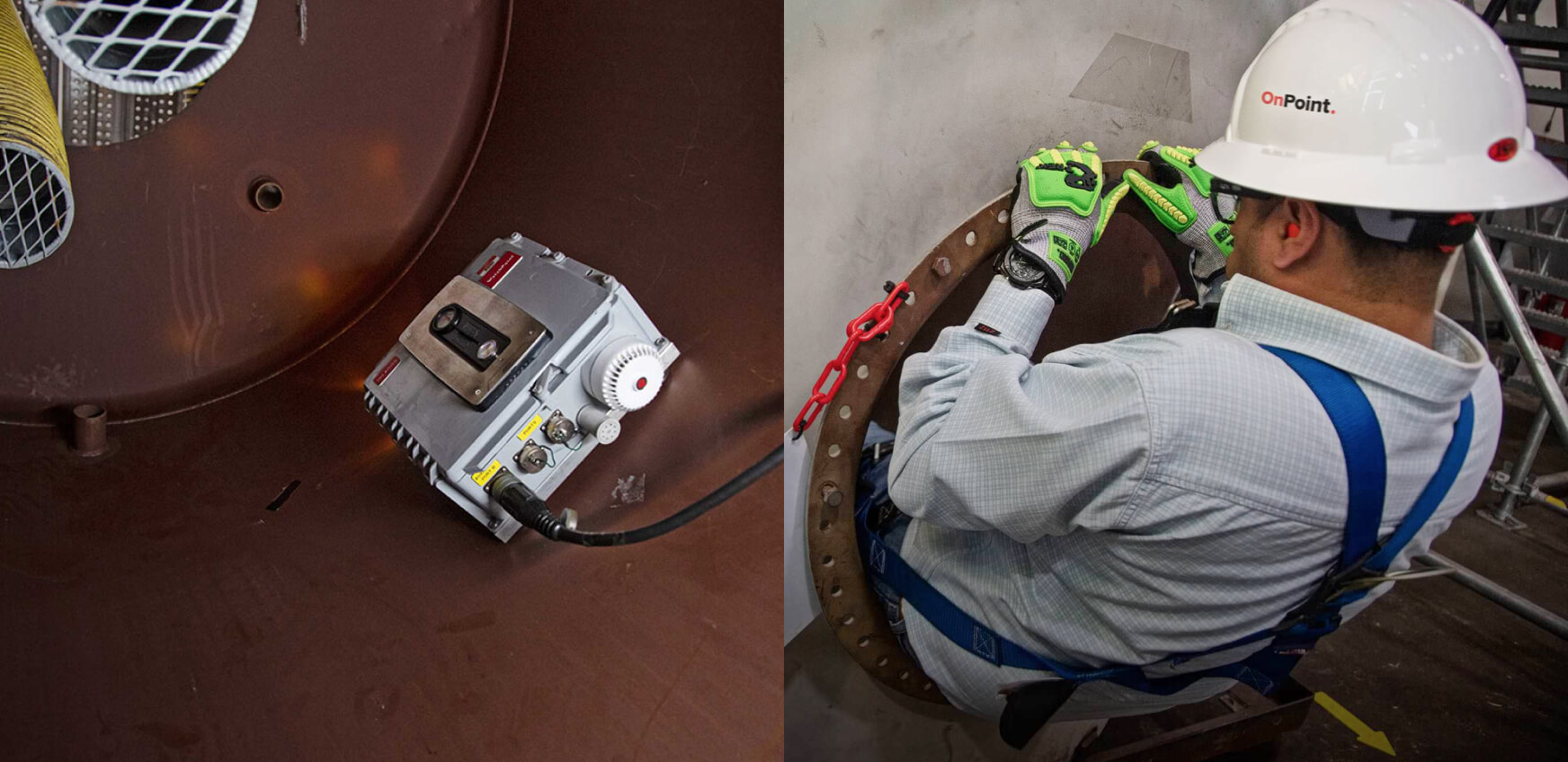
Atmospheric testing before entry is important, but conditions inside a confined space aren’t necessarily static. Hot work, cleaning activities, process conditions, and other work can affect the atmosphere after entry begins. Ongoing atmospheric monitoring and communication with entrants are important parts of confined space operations.
Rescue readiness also depends on situational awareness. Where is the entrant? What is happening inside the space? Have atmospheric conditions changed? Has an alarm been triggered? The sooner the people responsible for monitoring the work and responding to an emergency have that information, the sooner they can evaluate what is happening and act.
“Atmospheric conditions can change once work begins. We plan ventilation around the space and the work, then use SMARTvent to monitor the system as conditions change.”
Chad Robl
President – Safety, Consulting, and Technical Services,
OnPoint
The Challenge of Monitoring Multiple Entries
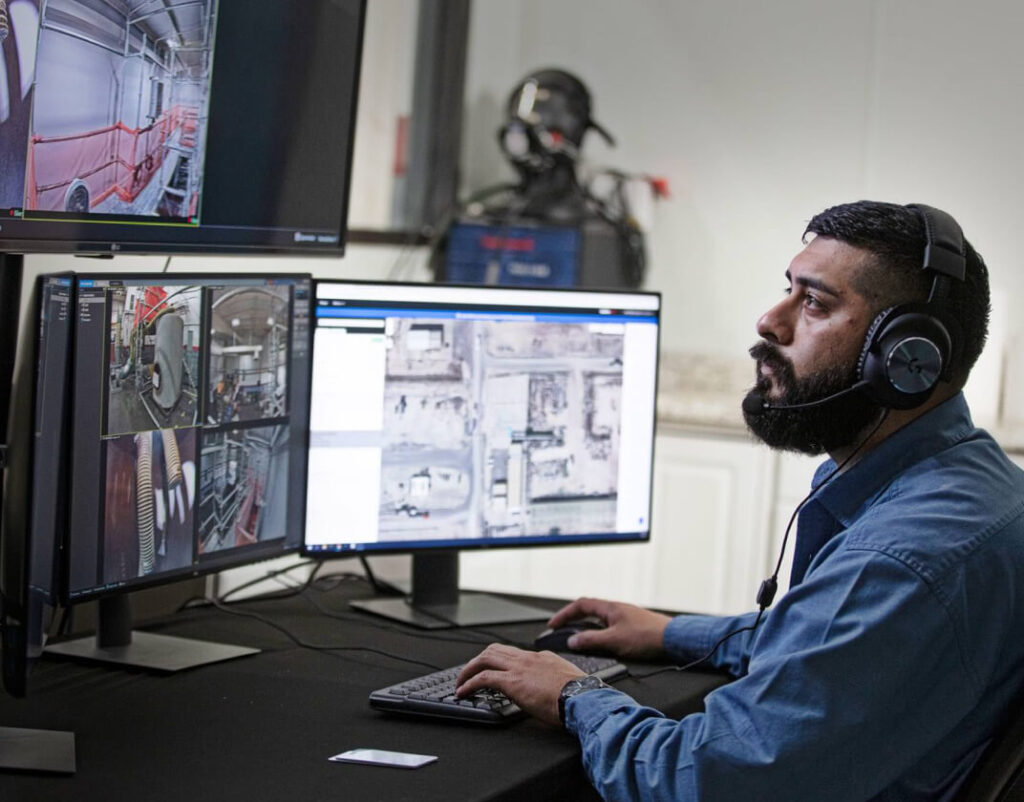
During a large turnaround, multiple confined spaces may be active simultaneously. Traditionally, visibility into those spaces is distributed among attendants positioned at individual entries, atmospheric monitoring equipment, and communication between people in the field.
That creates a practical challenge: no single person necessarily has a complete view of everything happening across multiple confined spaces. Technology can help bring that information together.
“Across multiple projects, we’ve seen how quickly a turnaround can become difficult to manage when several confined spaces are active at once. You need a clear view of each entry and a team that knows what to do with the information.”
Chad Robl
President – Safety, Consulting, and Technical Services,
OnPoint
How WatchPoint Improves Visibility
OnPoint’s WatchPoint Remote Monitoring System allows teams to monitor up to 12 confined space areas from a single location. Each monitored space can support up to two cameras: an interior camera for visibility into the work and an exterior camera for entry monitoring.
Workers inside the space also have access to a panic button. When activated, it triggers sirens and lights and sends an alert to the WatchPoint mobile command center. WatchPoint also incorporates wireless gas detection. The system offers 18 sensor options and can monitor up to six gases simultaneously, with alarms tied into the monitoring system. Together, those capabilities give the monitoring team a more complete picture of what is happening inside and around a confined space.
What That Means for a Rescue Team
The value of that visibility becomes particularly important when an emergency occurs. When WatchPoint is integrated with standby rescue operations, rescue personnel can receive information about atmospheric conditions, entrant locations, emergency alerts, and video feeds before rescue entry begins.
That doesn’t replace a trained rescue team or the need for a space-specific rescue plan. It gives the team additional information as it evaluates the situation and prepares to respond. Instead of relying solely on information passed from person to person, monitoring personnel and rescue teams can work from the same view of the incident.
WatchPoint also creates a digital record of confined space activity, providing video and monitoring information that can be reviewed after an event.
“If a rescue team is called, the first questions are what happened, who and how many are inside, and what conditions they may face. WatchPoint helps give the team a clearer picture as they assess the situation and prepare to respond.”
Chad Robl
President – Safety, Consulting, and Technical Services,
OnPoint
Rescue Readiness Is More Than Rescue Response
Confined space safety works best when entry planning, monitoring, and rescue aren’t treated as separate activities. OnPoint brings those capabilities together through confined space entry support, WatchPoint remote monitoring, engineered ventilation, and dedicated standby rescue services.
The objective is straightforward: understand the hazards before work begins, maintain visibility while the work is happening, and make sure trained people are prepared to respond if conditions change.
Technology doesn’t replace the people responsible for doing that work. It can give them better information when that information matters most. If your next turnaround, outage, or maintenance project involves confined space work, contact OnPoint to learn how WatchPoint and standby rescue services can support your confined space program.
About OnPoint
OnPoint provides confined space safety and rescue services for industrial facilities, turnarounds, outages, and maintenance projects. Our integrated approach combines trained confined space entry and standby rescue teams with remote monitoring, atmospheric monitoring, and engineered ventilation to help companies protect workers, improve visibility, and respond quickly when conditions change.

