
The crew is mobilized and permits are signed. The scaffold is up, the lift is scheduled, and twelve craft workers are standing at the work front ready to execute the job exactly as planned.
The valve isn’t there.
It was purchased months ago and delivered three weeks ago. Somebody signed for it and right now, nobody on site can say where it is. So, the search begins: laydown yard, warehouse, staging area, the back of a conex that may or may not be locked. A supervisor who should be running work is now running a scavenger hunt. Procurement and vendors get calls. And by early afternoon, someone makes the decision that happens on industrial projects every single day: order another one and pay a hot-shot driver to get it here tonight.
You bought it twice. And the second purchase was the cheap part.
The Most Common Reason Planned
Work Doesn’t Happen
Ask turnaround managers and project directors why scheduled work slips, and the honest answer usually isn’t weather, engineering, or manpower. It’s materials. The work was planned, the crew was ready, and the material wasn’t available, wasn’t complete, or couldn’t be found.
Great materials management exists to solve the gap between planning, procurement, warehousing, and field execution. When those functions don’t share one accountable picture of what’s on site, where it sits, and whether it’s ready, projects lose time in predictable ways. Ultimately, the schedule absorbs the damage.
Where the Money Actually Goes
A missing valve looks like a procurement problem. On the P&L, it never shows up that way. The real costs scatter across the job and hide inside categories nobody audits for material failures:

Standby labor
The crew that showed up ready to work is now waiting at a fully loaded rate. Even an inexpensive component can burn thousands of dollars in craft time before lunch.

Resequencing
When the planned activity can’t go, supervision shuffles crews to less productive work. The schedule logic that planners spent weeks building starts to unravel.

Supervision drag
Foremen, planners, and buyers get pulled into expediting and troubleshooting. The people paid to run the work are now chasing parts.

Premium freight and expediting
Hot shots, air freight, and emergency purchases, all at rates nobody budgeted.

Duplicate purchases
The original material almost always turns up eventually. Now the project owns two and paid a premium for the second.

Damaged and unpreserved material
Items that arrived in good condition degrade in laydown through improper storage, improper handling, or the absence of a preservation plan.

Overtime and schedule compression
Lost days get bought back at premium rates at the end of the job, when labor is most expensive and morale is thinnest.
Individually, each of these looks like a routine project cost. Added up across a turnaround or capital project, material delays become one of the largest unbudgeted line items on the job. And because the costs hide inside labor, freight, and schedule slip, they survive project after project without ever being named.
The flip side is what disciplined material management recovers. On a recent project, OnPoint handled the final closeout for a client’s turnaround by cataloging, labeling, storing, and documenting all of their excess and leftover materials. Because everything was properly organized and tracked, the client was able to reuse those materials during their next turnaround instead of purchasing new inventory, resulting in an estimated savings of approximately $2 million.
Why the Problem Persists
If material delays are this expensive, why do these issues continue to occur? Most projects aren’t ignoring the problem. They’re managing competing priorities, compressed schedules, and multiple site contractors. Underneath that reality, two patterns repeat.
- The root cause gets misdiagnosed. Poor material management shows up as craft delay, schedule slippage, or a procurement fire drill, so that’s what gets blamed. The material process failure underneath rarely makes the lessons-learned list.
- Materials management gets treated as a warehouse or administrative function. It should be an execution-critical one. Inventory tracking tells you what exists. It doesn’t tell you whether the right material is complete, preserved, staged, and ready when the schedule calls for it. That’s the difference between counting parts and protecting the schedule, and it’s why materials often move several times across contractors, laydown yards, and work fronts before anyone notices the custody chain broke.
Three Questions That Reveal the Problem
Before any fix, run a simple test. Ask your team:
- Can we say, right now, whether the critical material for next week’s work is received, located, and ready for installation, without making multiple phone calls or checking with several teams?
- How many emergency purchases and hot shots did the last event generate, and how many were for material already on site? Field discoveries and scope changes make some expediting unavoidable; the preventable ones are those caused by gaps in a site’s material management.
- Who owns custody of a material after receiving signs for it and before the crew installs it?
If any answer takes more than a minute, the custody chain has gaps, and the gaps are being paid for in the categories above.
What the Solution Looks Like
The projects that don't buy things twice all share one trait. A single, accountable system around every material on site, from the receiving gate through project closeout. With OnPoint's Material Management Program, that system runs on three things.

People
Dedicated material coordinators and handlers, trained to support disciplined materials management throughout project execution. Professionals focused on accountability, not simply manpower assigned to a warehouse.

Process
A standardized four-phase approach: Assess & Plan, Prepare & Stage, Execute & Control, Reconcile & Closeout. Receiving verifies and documents every delivery against the right PO and work package. Storage protects and organizes it. Staging and kitting align material to the execution plan, so crews pick up complete kits when the work releases instead of hunting individual parts.

TrackPoint
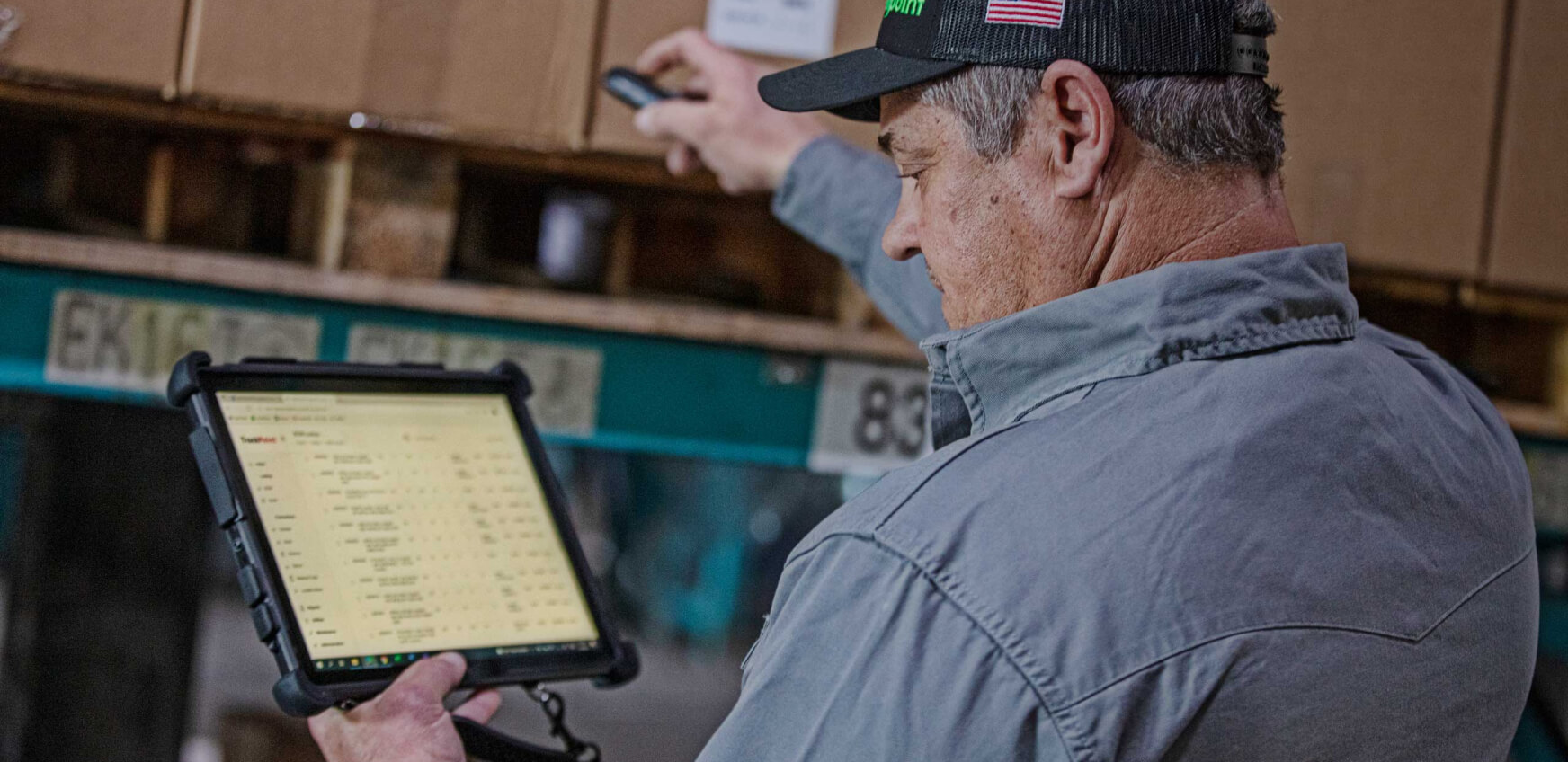
OnPoint’s cloud-based custody transfer tool, tracking every material from receipt through storage, staging, kitting, transfer, issue, and closeout. When anyone on the project asks, “where is it?”, the answer takes seconds, not a search party.
The result is simple to state and hard to fake. Material availability becomes visible and predictable before the craft needs it. Planned work gets executed as planned.
The Closeout Dividend
There’s a second payoff most projects never collect. When every material is tracked through the end of the job, closeout stops being a write-off exercise. Surplus gets identified. Usable material returns to stock. Vendor credits get captured. Reconciliation produces accurate records instead of mystery inventory that confuses the next project and inflates carrying costs.
Material that would have quietly disappeared into a laydown yard comes back as recovered value, as the $2 million reuse example above shows.
Put a Number On It
Every project leader knows material delays cost something. Very few have ever seen the number for their own job. Our Material Management ROI Calculator uses your inputs, including craft headcount, loaded labor rates, event duration, and delay frequency, to quantify what material delays are costing your project, and what a managed program changes. It takes about three minutes.
Most teams don’t like the result. That’s the point.
About OnPoint
OnPoint Industrial Services provides materials management for industrial turnarounds, capital projects, and maintenance programs, managing the full materials lifecycle from planning through closeout. Dedicated material coordinators and handlers, a standardized process, and TrackPoint, OnPoint’s proprietary custody and traceability system, keep every material accounted for from receipt through closeout, so craft stays on tools and planned work gets executed as planned.
Learn more at onpoint-us.com.

